
The Craft
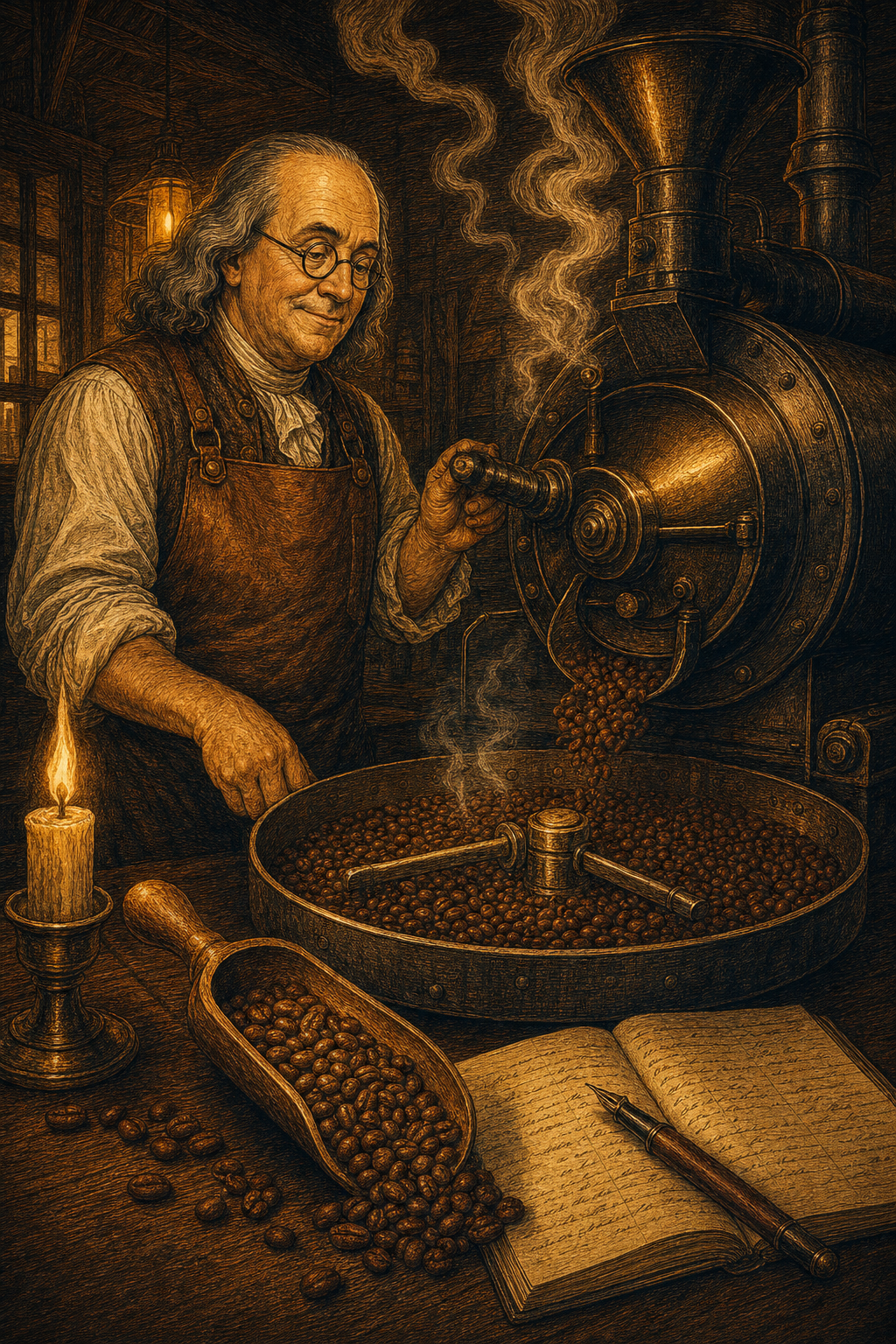
Quality, for us, isn't a tasting score or a marketing claim. It's a set of commitments that run from the farm to your cup without shortcuts.
It starts with sourcing: specialty-grade beans from farms we know, sourced through relationships that prioritize the long-term health of the land and the people who work it. It continues through the roasting process: small-batch, demand-driven, US-roasted to order so your beans arrive at their peak rather than their expiration date. And it ends with the cup, which should taste exactly like what it is: a specific origin, a specific roast level, a specific flavor profile developed with precision and care.
We measure quality by one standard: does this coffee make you want to drink it again tomorrow? Everything else follows from that.
Sourcing our beans
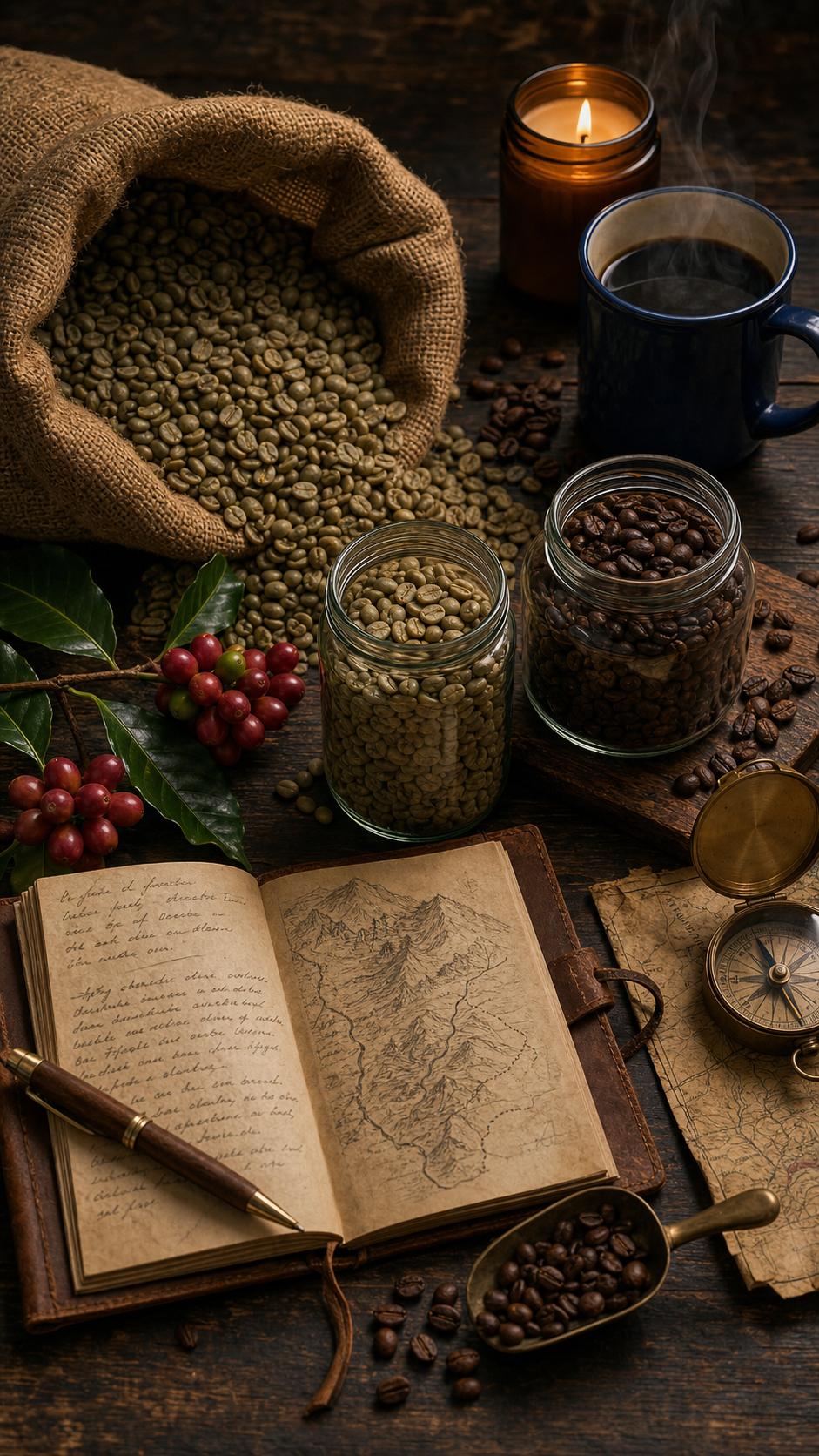
Every bean in the Woke Founders lineup is specialty-grade. That means they've been evaluated for cup quality against objective criteria, sourced from farms selected for their growing conditions, farming practices, and the character of what they produce.
Our origins include Guatemala, Ethiopia, Colombia, Kenya, Brazil, Bolivia, Costa Rica, Indonesia, Mexico, and Nicaragua, among others. The specific origins in any given roast reflect what meets our standard at the time of roasting: the right flavor profile, the right farming practices, the right growing conditions for that particular blend.
We work with farms that share a commitment to sustainability, long-term land health, and ethical labor practices. We don't make claims about specific certifications we haven't earned, but we do make a straightforward commitment: we don't source from farms whose practices we wouldn't be comfortable describing in full.
High-grown Guatemalan beans benefit from volcanic soil and significant altitude that slows cherry development and concentrates flavor. Ethiopian origins bring natural fruit-forward complexity. Colombian and Costa Rican farms are selected for their combination of clean cup profile and elevation. Each origin is chosen for what it contributes to the final cup, not just to satisfy label requirements.
Small Batch Roast to Order
We work with a California-based specialty roasting partner whose approach to craft matches our commitment to quality. No bulk production. No warehouse inventory. Every batch is produced in response to actual demand, which means the roasting schedule is driven by orders, not by forecasts.
The technical approach matters. Profile development on sample roasters allows for precise calibration before a roast profile transfers to the drum. That means each roast level, from the light, honey-forward blonde espresso of Sweet Rebellion to the deep, smoky intensity of No Kings, has been developed, tested, and refined before it ever ships to you.
The result is coffee that is technically excellent, reliably consistent from bag to bag, and developed with the kind of care that specialty coffee requires and coffee drinkers know.
Freshness Guaranteed
This is the most important thing we can tell you about our coffee.
Your bag is not sitting in a warehouse. It was not roasted two weeks ago and boxed up waiting for someone to place an order. When you complete your purchase, that purchase is what triggers the roast. Your beans are typically roasted and shipped within one to two business days of your order.
This matters more than most coffee marketing will tell you. Coffee has a peak freshness window, and it is measured in weeks, not months. Within the first two to four weeks after roasting, the flavor compounds are fully expressed: the aromatics are vivid, the tasting notes are accurate, and the cup tastes like what the roaster intended. After that window, the coffee doesn't become bad. It becomes ordinary.
We don't sell ordinary coffee. We sell coffee at its peak, because that's the only version worth selling. When your bag arrives, you're not drinking history. You're drinking this week's roast.